Electrical technician training in Austin, Texas, can help students begin learning how electrical systems are installed, operated, maintained, tested, and repaired. The work requires an understanding of electricity as well as the practical ability to work with wiring, panels, motors, controls, lighting systems, conductors, and electrical equipment.
Southern Careers Institute offers an Electrical Technician diploma program at its Austin campus. The program combines technical theory with extensive laboratory practice, allowing students to study electrical principles and then apply those concepts through equipment, wiring, and construction scenarios. Before enrolling, students should understand the breadth of the coursework, the amount of hands-on participation involved, and the safety and attendance expectations that come with trade training.
Building a Foundation in Electrical Theory and Safety
SCI’s Electrical Technician program begins with Trade Safety and Construction Basics. Students learn about workplace safety, tools, construction mathematics, measurements, communication, and the general expectations associated with working around equipment and construction materials.
Safety needs to remain part of every course because electrical work can involve energized systems, tools, equipment, conductors, panels, and situations in which a missed step may create serious risk. Students are expected to learn how to prepare a workspace, select the correct equipment, follow instructions, and verify conditions before beginning a task.
Electrical Theory and Concepts of Wiring then introduces the principles used to understand electrical circuits and systems. Students begin developing the technical vocabulary and mathematical foundation needed for later courses. Electrical training involves more than learning where a wire should be connected. Students need to understand why a circuit operates, how electricity moves through a system, and how components affect one another.
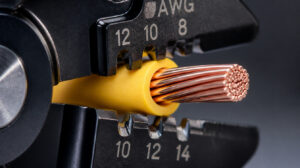
The curriculum progresses into motors, controls, maintenance, and troubleshooting. Students study direct-current and alternating-current motors, control systems, and the processes used to evaluate equipment. They also learn about residential wiring, grounding, and bonding. These topics help students understand how electrical systems are installed and how safety measures are incorporated into the work.
As students move through the program, they also study conductors and electrical distribution. This includes the systems used to move electrical power through a building or other application. The curriculum then introduces lighting systems, programmable controllers, electrical components and equipment, calculations, commercial wiring, and specialized installations.
This sequence allows students to build from general principles into more applied work. Earlier lessons in mathematics, theory, and safety remain relevant when students begin working with panels, controls, motors, or commercial wiring.
Learning Through Practical Electrical Projects
Electrical technician training should include substantial hands-on practice because wiring and equipment cannot be fully understood through diagrams alone. SCI’s program includes 720 clock hours, divided into 270 theory hours and 450 laboratory hours. The estimated completion time is 27 weeks.
During laboratory activities, students train with electrical equipment, wiring, distribution panels, motors, controls, and mock construction scenarios. These activities allow them to practice installation, operation, maintenance, testing, and repair procedures while receiving supervision.
Residential Wiring, Grounding and Bonding contains a significant laboratory component. Students can apply concepts involving circuits, wiring methods, safety, and the relationship between grounding and electrical systems. Conductors and Electrical Distribution alsoemphasizes practical work, giving students opportunities to understand how power is routed and managed.
Lighting Systems and Programmable Controllers introduces additional components and control concepts. Electrical Components and Equipment continues the focus on the devices found within electrical systems. Electrical Calculations and Commercial Wiring helps students connect mathematics and planning with practical installations, while the final course addresses electrical applications and specialized installation.
Students should expect their work to be evaluated. An instructor may identify incorrect wiring, an unsafe step, a measurement problem, or a misunderstanding of the diagram. The student may need to trace the circuit, review the instructions, correct the issue, and test the work again.
That process helps build troubleshooting habits. When an electrical system does not operate as expected, the answer may not be immediately visible. Students need to examine the information available, understand how the circuit should function, use appropriate testing procedures, and narrow down possible causes.
Hands-on practice also develops organization. Wires, tools, components, and documentation need to be managed carefully. Students may work independently on part of a project while still sharing equipment and space with classmates. Communication, cooperation, and maintaining an orderly work area can support both safety and learning.
Understanding Program Format and Student Responsibilities
SCI lists the Electrical Technician program with traditional and hybrid delivery. Some theory coursework may be offered online, but laboratory training requires in-person participation at the Austin campus. Students should ask which format is currently available and how often they will need to attend campus.
Online portions still require regular participation, assignments, and access to dependable technology. Students need an appropriate computer, reliable internet service, a webcam, a microphone, and required software. They should also understand how attendance is measured and how online theory connects with their practical electrical work.
Laboratory attendance is especially important. A missed class may include a demonstration, tool practice, wiring exercise, or supervised project that cannot be replaced by reading alone. Prospective students should prepare for transportation, employment, childcare, and study time before the first course begins.
The program can be physically and mentally demanding. Students may spend time standing, handling tools and materials, reading diagrams, measuring, completing calculations, andconcentrating on detailed connections. They must be willing to follow safety procedures consistently and avoid rushing to finish a task.
SCI requires Electrical Technician applicants to sign a release for a criminal-history and employability background check. The school also strongly recommends that students have a valid state-issued driver’s license because employers may require one. Prospective students should discuss all current program-specific requirements with an admissions representative.
The catalog identifies an Electrical Technician tool kit as a separate out-of-pocket student expense. Students should ask what the kit currently contains, when it must be purchased, and whether additional protective clothing or equipment is needed. They should also discuss tuition and financial aid. Financial aid may be available to those who qualify.
Exploring SCI’s Austin Electrical Technician Program
SCI’s Austin campus is located at 1701 West Ben White Boulevard, Suite 100. Visiting the campus can help prospective students see the electrical training environment and better understand how classroom and laboratory instruction are organized.
During a tour, ask which equipment and mock-up systems students use, how laboratory groups are structured, and how instructors evaluate practical work. It is also useful to ask about current class times, online theory components, attendance expectations, and the amount of study required outside class.
Prospective students can ask how the program supports learners who need additional explanation in electrical theory, mathematics, diagrams, or troubleshooting. Because courses build on one another, asking questions early can prevent confusion from carrying into later projects.
SCI’s Career Services may assist students with résumé preparation, interview practice, and job-search skills. The program introduces skills related to residential and commercial electrical systems, maintenance, controls, wiring, lighting, panels, and electrical equipment. Employer requirements vary, and completing the diploma does not guarantee employment or a particular position.
Electrical technician training in Austin, Texas, may fit someone who likes practical problem-solving, can work carefully with detailed systems, and is willing to combine mathematics and technical theory with hands-on learning. SCI’s program covers safety, electrical principles, wiring, motors, controls, grounding, distribution, lighting, commercial applications, troubleshooting, and specialized installations. Contact Southern Careers Institute to tour the Austin campus and decide whether the Electrical Technician diploma program aligns with your goals.