Computer Support Specialist training in Austin, Texas, can help students learn how to respond to technology problems involving hardware, operating systems, software, networks, and user accounts. Technical support is not only about knowing how a computer works. It also involves listening to the person reporting a problem, gathering useful information, testing possible causes, documenting the result, and explaining the next step clearly.
Southern Careers Institute offers its Computer Support Specialist diploma program through the Austin campus using distance education. Students complete the instructional work online while developing skills through technical lessons, guided exercises, simulated software, and troubleshooting activities. Before enrolling, prospective students should understand how the curriculum is organized, what the online format requires, and whether they are prepared to practice consistently.
What Students Study in the Computer Support Specialist Program
The program begins with computing essentials so students can develop a working vocabulary and understand the roles of hardware, software, data, and information systems. Early coursework helps students move from general computer use toward a structured view of how a system operates.
Operating systems are another major area of study. An operating system manages files, devices, applications, user settings, and many processes that allow a computer to function. Students learn to navigate system tools and approach common operating-system concerns. Rather than changing several settings at once, they begin learning how to gather information and test one possibility at a time.
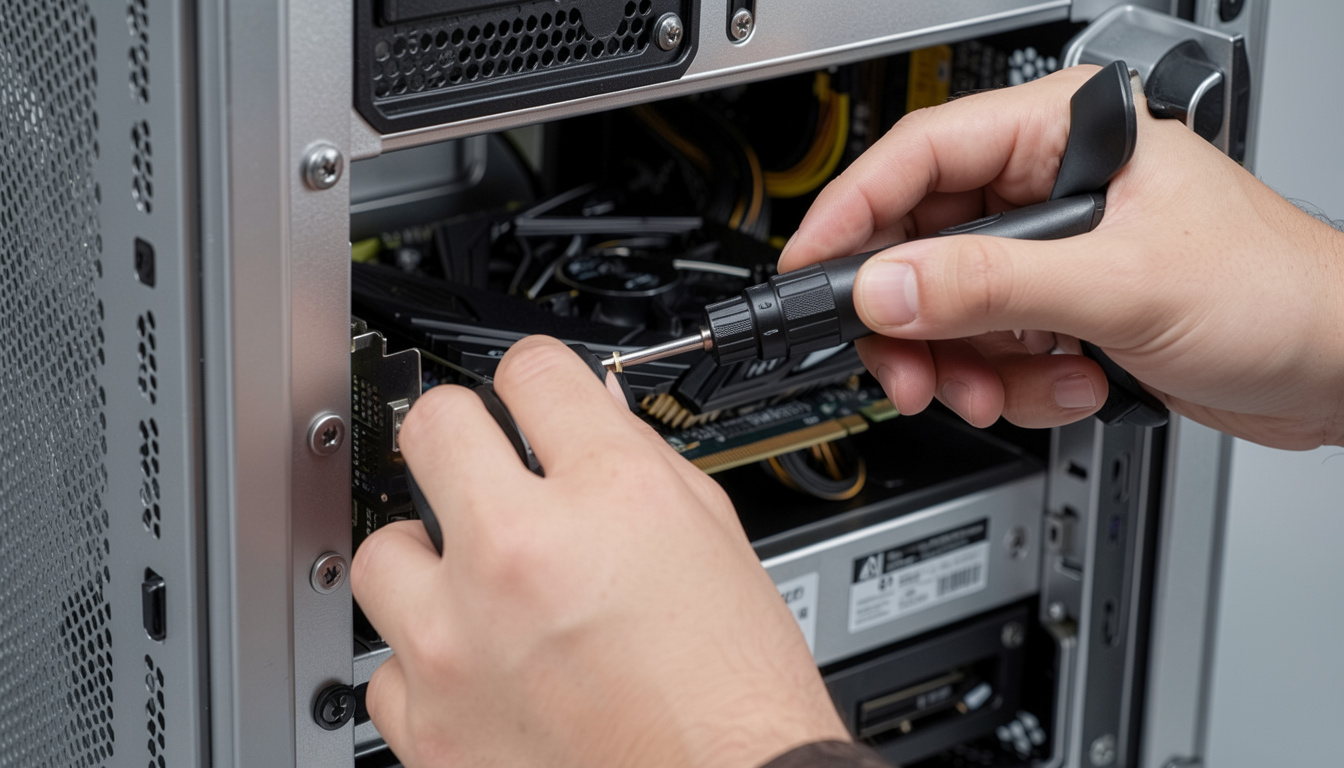
Computer hardware instruction focuses on physical components and peripheral equipment. Students may examine storage, memory, processors, cables, displays, printers, and other devices while learning why proper setup and installation matter. When a computer will not start, connect, display an image, or recognize a device, the cause may need to be narrowed through several checks.
The curriculum then moves into productivity tools, networking, security, and help desk concepts. Productivity software matters because support specialists may assist users working with documents, spreadsheets, presentations, email, or shared files. Networking introduces the connections that allow computers and devices to communicate. Security coursework addresses passwords, access controls, updates, safer practices, and common technology risks.
Help desk instruction brings these subjects together. A user may report that a computer is slow, an application will not open, or a printer is unavailable. Students practice asking questions, narrowing the issue, documenting their actions, and communicating professionally. The solution depends not only on technical knowledge but also on patience and clear explanations.
How Distance Education and Applied Learning Work Together
The Austin offering is listed as distance education, which means students need to be comfortable learning through an online platform. Online training can remove a regular commute, but it does not remove deadlines, attendance expectations, instructor communication, or the need for practical work.
Students should expect to review instructional material, complete assignments, participate as required, and apply concepts on a computer. The program uses simulated software and guided support tasks so students can practice installation, setup, troubleshooting, and problem-solving. Laboratory-designated work moves students beyond definitions and into structured technical activities.
An operating-system lesson may be followed by an exercise involving settings or file management. Networking and security activities may require students to review configurations, recognize a concern, or explain the steps they would take before escalating a problem. These exercises help students practice a repeatable support process.
Online students need to manage their own practice time. At home, work, family, entertainment, and other responsibilities may compete for attention. A dependable study area and recurring weekly routine can make it easier to remain consistent. Students should also ask questions when instructions are unclear instead of guessing through an assignment and carrying the misunderstanding into the next course.
Distance education students complete an online orientation before accessing courses. The orientation introduces the learning platform, attendance expectations, online conduct, plagiarism policies, and participation requirements. Understanding where assignments, messages, and resources are located can help students begin technical coursework with fewer avoidable problems.
Program Length, Technology, and Study Expectations
SCI’s Computer Support Specialist diploma program includes 720 clock hours and 58 quarter credits, with an estimated completion time of 27 weeks. The curriculum contains 440 theory hours and 280 laboratory hours. The program does not list an externship, so students apply what they learn through coursework, computer equipment, guided exercises, and simulated software rather than a required workplace placement.
Program-specific technology requirements are more demanding than access to a phone or tablet. The catalog identifies a Windows 10 or 11 PC, or a compatible Mac, with at least 8 GB of memory, a 512 GB drive, and an Intel Core i5 or AMD Ryzen 5 processor. Students should confirm current specifications before buying equipment because requirements can change.
A dependable internet connection is also essential. Students need to access the learning platform, view lessons, submit assignments, communicate with instructors, and complete online activities. A webcam, microphone, speakers, and word-processing software may also be required under SCI’s online-learning standards.
The 27-week estimate represents a focused schedule. Students move through computing essentials, operating systems, hardware, productivity tools, networking, security, help desk work, and career preparation in a concentrated period. Since the subjects build on one another, regular review can make later work easier.
Keeping notes on troubleshooting sequences, hardware terms, networking concepts, and errors encountered during practice may also help. The goal is to learn a process: gather information, identify likely causes, test carefully, document the result, and decide whether the issue is resolved or should be referred to someone else.
Deciding Whether the Austin Program Fits You
Computer support may appeal to someone who enjoys solving practical problems and helping other people use technology. Patience matters because users may not know the technical name for what they are seeing. A support specialist often needs to translate a broad complaint into useful questions about the device, connection, application, timing, and error message.
The program may also suit students who like organization. Technical support can involve keeping records of problems, installations, changes, and actions taken. Clear documentation helps another person understand what has already been tried.
Prospective students should honestly evaluate their ability to learn online. Distance education offers location flexibility, but students still need regular study time, suitable equipment, and the discipline to complete practical exercises. Students should be proactive about attending online sessions, asking questions, and using available support.
SCI’s Austin campus is located at 1701 West Ben White Boulevard, Suite 100. Although the program is delivered online, students can contact the campus to discuss admissions, current start dates, technology requirements, tuition, and financial aid. Financial aid may be available to those who qualify.
SCI’s Career Services may assist with résumé development, interview preparation, and job-search skills. The program introduces skills related to help desk support, desktop support, software installation, computer hardware, and user assistance, but completing the diploma does not guarantee employment or a particular position.
Computer Support Specialist training in Austin, Texas, may fit students who want to understand how computers, software, networks, and users connect. Contact Southern Careers Institute to review the online format and decide whether the program matches your goals and study habits.