
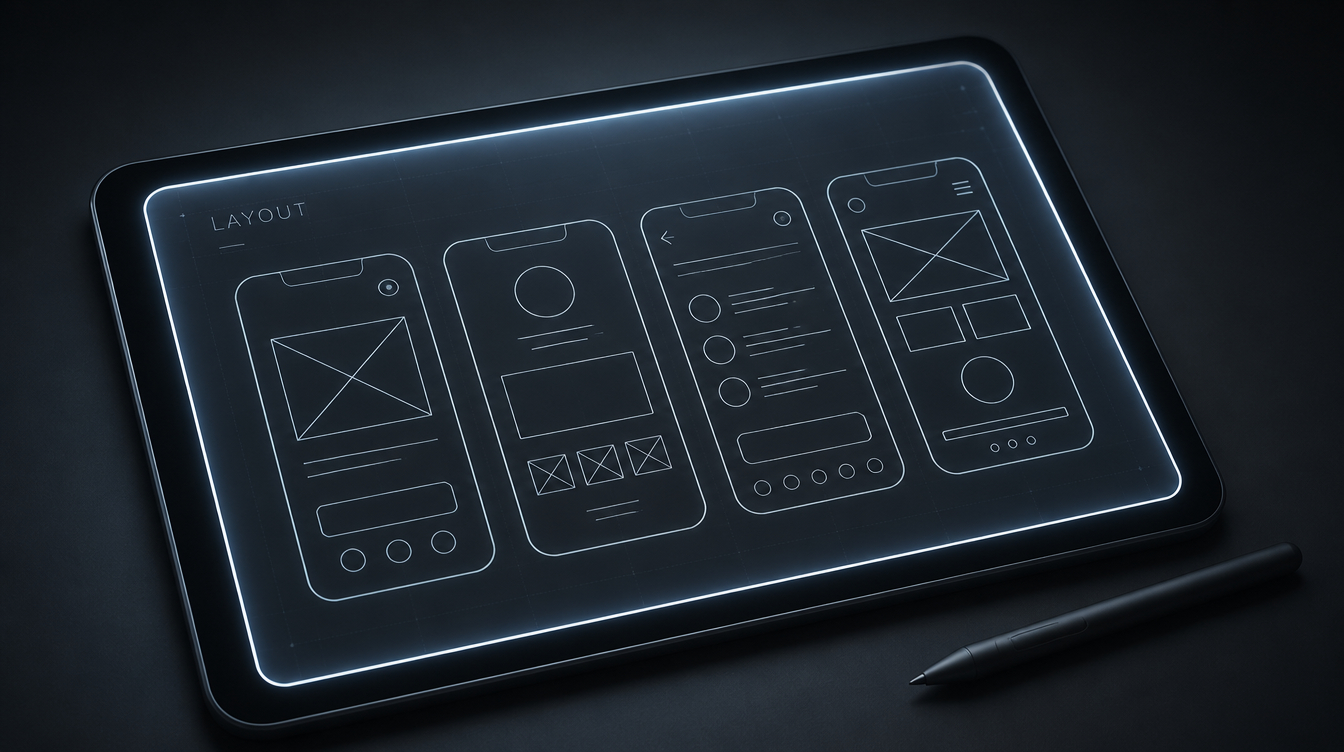
UI/UX Design training in Austin, Texas, can help students learn how digital products are researched, organized, designed, tested, and presented.
Southern Careers Institute offers its UI/UX Designer diploma program through the Austin campus using distance education. Students complete the program online while working through research activities, design exercises, coding foundations, prototypes, presentations, and a final capstone. Before starting, prospective students should understand that UI/UX design is not limited to making screens attractive. It also involves user research, information architecture, testing, communication, and revision.
Starting with Design Thinking and User Research
SCI’s program begins with Design Thinking and Structures. Students are introduced to design principles, user empathy, product hypotheses, and the process used to move from a problem toward a possible solution. Design thinking encourages students to begin with the people who will use the product instead of assuming that their first idea is automatically the right one.
Research may reveal that users behave differently than expected, so students learn to separate personal taste from evidence.
Research Methods introduces quantitative, qualitative, and competitive analysis. Students learn how different forms of research can provide information about users, behaviors, needs, and existing products.
Research Demonstration builds on that foundation through empathy maps, user personas, journey maps, user flows, and data analysis. These tools help students organize what they have learned and identify important points in the experience.
The next step is Ideation and Strategy. Students work with user stories, sitemaps, card sorting, information architecture, and brand strategy.
Research and organization help students define the problem and determine what the design needs to accomplish.
From Coding Foundations to Interactive Prototypes
UI/UX designers may not work as full-time software developers, but understanding how digital products are built can improve collaboration and help them make more practical design choices. SCI’s Coding Structures course introduces HTML, CSS, JavaScript, source control, and foundational web concepts. Front-End Theories and Practice continues with more advanced layout, interaction, and data-related ideas.
Coding exposure helps students understand how structure, styling, and interaction connect. Technical awareness can help students communicate with developers and consider responsive behavior earlier.
Interaction Design and Prototyping is one of the largest courses in the program. Students work with sketching, wireframes, grid layouts, user-interface patterns, libraries, and rapid prototyping. They may use tools such as Figma or Adobe XD to turn early ideas into interactive models.
Students can create a prototype that allows someone to move through the planned experience. Prototyping makes it possible to test an idea before a complete product is developed.
Students should expect to explain why they made a design choice and then revise it when research or testing shows a better direction. That process helps them understand that design decisions should support the user and the project rather than exist only because the designer likes the appearance.
Program Structure, Technology, and the Capstone
SCI’s UI/UX Designer diploma program includes 720 clock hours and 51 quarter credits, with an estimated completion time of 33 weeks. The curriculum contains 300 theory hours and 420 laboratory hours, giving students substantial time for applied research, design, coding, and prototype work.
The program is delivered through distance education. Students need to manage lessons, assignments, project deadlines, critiques, and presentations through the online learning environment. A consistent weekly schedule can help students manage research, revisions, and prototype changes.
SCI lists a Windows PC or MacBook with at least 4 GB of memory, a 256 GB drive, and a Core i5 processor as the minimum computer requirement. The catalog recommends a MacBook with 8 GB of memory and a 256 GB solid-state drive because some design programs used in instruction may be available only on Mac. Students should confirm current specifications before buying equipment.
Adobe Creative Cloud requires a monthly subscription, and students may also need general supplies such as notebooks, pens, folders, and USB storage.
The Capstone Design course gives students an opportunity to combine research, strategy, interaction design, coding knowledge, and prototyping in a larger final project. The course includes 100 laboratory hours. Students are expected to move through multiple stages of the UI/UX process rather than produce only a polished final screen.
Presentation, Pitches, and Proposals develops another essential skill: explaining the work. Designers often need to present research findings, describe the reasoning behind a design, respond to questions, and show how the proposed solution addresses the original problem.
The program does not include a required externship. Applied experience is developed through research exercises, coding practice, design projects, prototypes, usability testing, presentations, and the final capstone.
Deciding Whether the Austin Program Fits You
SCI’s Austin campus is located at 1701 West Ben White Boulevard, Suite 100. Although the UI/UX Designer program is delivered online, prospective students can contact the Austin campus to discuss admissions, start dates, computer requirements, software costs, tuition, and financial aid. Financial aid may be available to those who qualify.
UI/UX design may fit students who are interested in visual communication but also enjoy research, organization, problem-solving, and feedback. The work requires curiosity about how people behave and patience when testing shows that an idea needs to change.
The designer gathers evidence, develops options, tests those options, and explains why the final direction is appropriate for the user and the project. Students who only want to create visual artwork without research, revision, or technical considerations may find the broader UI/UX process different from what they expected.
SCI’s Career Services may assist with résumé preparation, interview practice, and job-search skills. The program is designed to develop knowledge connected with user research, information architecture, wireframing, prototyping, interaction design, and presentation, but completing the diploma does not guarantee employment.
UI/UX Design training in Austin, Texas, can help students move from user research and strategy into interactive prototypes and a final capstone. Contact Southern Careers Institute to explore the online program and decide whether its combination of design, research, coding foundations, and presentation fits your goals.